
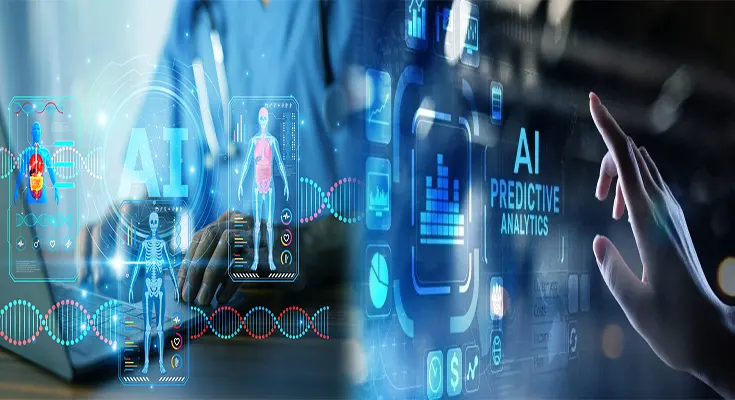
Future Trends in Artificial Intelligence for Predictive Analytics in Healthcare

Future Trends in Artificial Intelligence for Predictive Analytics in Healthcare

Artificial intelligence (AI) has emerged as a transformative technology in the healthcare industry, enabling providers to harness vast amounts of data to improve patient outcomes, enhance decision-making, and optimize operational efficiency. One key application of AI in healthcare is predictive analytics, which uses advanced algorithms to analyze data and forecast future trends, helping healthcare providers make proactive decisions and interventions. Looking ahead, several future trends in AI for predictive analytics are poised to shape the future of healthcare delivery and patient care.

One of the major future trends in AI for predictive analytics in healthcare is the increasing use of machine learning algorithms to develop more accurate and personalized predictive models. Machine learning algorithms have the capability to analyze complex datasets, identify patterns, and predict outcomes with a higher degree of precision than traditional statistical methods. By leveraging machine learning for predictive analytics, healthcare providers can better anticipate disease progression, …

Future Trends in Artificial Intelligence for Predictive Analytics in Healthcare Read More

Cybersecurity Challenges in Healthcare Data Exchange and Interoperability

Cybersecurity Challenges in Healthcare Data Exchange and Interoperability

In recent years, the healthcare industry has made significant strides in embracing digital technologies to improve patient care, streamline operations, and enhance data exchange between providers. However, with the increased adoption of electronic health records (EHRs) and the exchange of sensitive patient information across various systems, cybersecurity challenges have become a growing concern in healthcare data exchange and interoperability.

One of the main cybersecurity challenges facing the healthcare industry is the protection of patient data from cyber threats and breaches. Healthcare organizations are prime targets for cyber attacks due to the valuable personal and medical information stored in their systems. Hackers often exploit vulnerabilities in outdated software, weak passwords, and inadequate security measures to gain unauthorized access to patient records. The consequences of such breaches can be severe, ranging from financial losses to reputational damage and, most importantly, compromising patient confidentiality.

Another challenge in healthcare data exchange and interoperability is …

Cybersecurity Challenges in Healthcare Data Exchange and Interoperability Read More
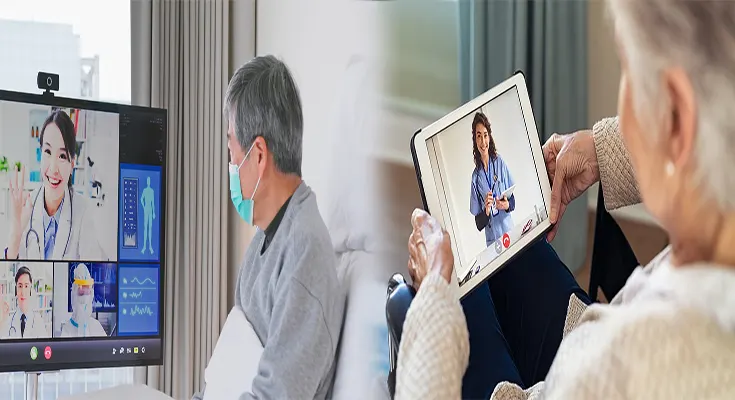
Impact of Telehealth on Patient Engagement and Chronic Disease Management

Impact of Telehealth on Patient Engagement and Chronic Disease Management

Telehealth, the use of digital technologies to deliver healthcare services remotely, has revolutionized the way patients interact with healthcare providers and manage chronic diseases. The adoption of telehealth solutions has led to significant improvements in patient engagement and chronic disease management. Here, we explore the impact of telehealth on these crucial aspects of healthcare delivery:

1. Improved Patient Engagement

One of the key benefits of telehealth is its ability to enhance patient engagement. Through telehealth platforms, patients can easily access healthcare services from the comfort of their homes, eliminating the need for frequent in-person visits. This convenience leads to higher patient satisfaction, improved compliance with treatment plans, and increased patient-provider communication. Patients feel more empowered and engaged in their care when they have easy access to virtual consultations, remote monitoring tools, and secure messaging with healthcare providers.

2. Enhanced Disease Management

Telehealth plays a vital role in the management of …

Impact of Telehealth on Patient Engagement and Chronic Disease Management Read More
Best Practices for Implementing Electronic Health Records in Small Clinics

Best Practices for Implementing Electronic Health Records in Small Clinics

As technology continues to revolutionize the healthcare industry, the implementation of electronic health records (EHR) has become a priority for small clinics. Transitioning from traditional paper records to EHR systems can improve efficiency, patient care, and overall clinic operations. However, the process of implementing EHR in a small clinic comes with its own set of challenges. Here are some best practices to consider when implementing EHR in small clinics:

1. Assess Clinic Needs and Resources

Before embarking on the implementation of an EHR system, it is essential for small clinics to conduct a thorough assessment of their specific needs and resources. This includes evaluating the size of the clinic, patient volume, existing technology infrastructure, and staff capabilities. Understanding these factors will help in selecting an EHR system that aligns with the clinic’s requirements.

2. Choose the Right EHR System

Selecting the right EHR system is crucial for the success of …

Best Practices for Implementing Electronic Health Records in Small Clinics Read More
Exploring the Impact of AI in Streamlining Project Management Processes

Exploring the Impact of AI in Streamlining Project Management Processes

In this fast-paced business environment, staying ahead of the competition requires efficient project management. Enter Artificial Intelligence (AI) – a game-changer that’s revolutionizing how companies manage projects. From improving productivity to ensuring timely delivery, AI’s impact on project management processes is profound. Here, we’ll explore how AI is transforming project management and why integrating tools like Controlio can be a game-changer for your business.

Introduction to AI in Project Management

AI is no longer just a buzzword; it’s a critical component in modern project management. By leveraging AI, businesses can automate repetitive tasks, analyze vast amounts of data, and make informed decisions quickly. This not only saves time but also reduces the risk of human error.

Enhancing Productivity with AI

One of the significant benefits of AI in project management is its ability to enhance productivity. AI tools can automate mundane tasks such as scheduling meetings, updating project statuses, and …

Exploring the Impact of AI in Streamlining Project Management Processes Read More